Strut

Mulatu Of Ethiopia

photo: 
a propos: 
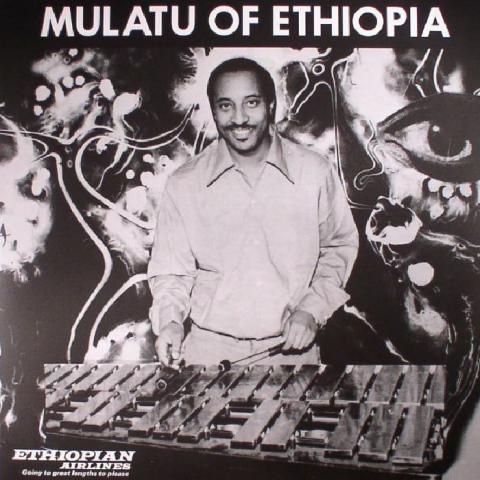
Strut present the first official reissue of a landmark album in the field of African music , Mulatu Astatke’s ‘Mulatu Of Ethiopia’ from 1972. Recorded in New York , the album arrived at a time when Astatke had begun to master the delicate fusion of styles needed to create Ethio jazz. “I left the UK for America and studied at Berklee College in Boston. I learnt the technical aspects of jazz and gained a beautiful understanding of many different types of music. That’s where I got my tools. Berklee really shook me up.”Journeying regularly to the Big Apple to play and watch live shows at the Cheetah , the Palladium and the Village Gate, Astatke met producer Gil Snapper on the circuit. “Gil was a nice and very interesting guy. He produced music and worked with all kinds of musicians.” The meeting would lead to a series of albums on Snapper’s Worthy label. The first , ‘Afro Latin Soul’ , documented Astatke’s new-found directions. “Mulatu has created a new sound , ” enthused Snapper on the album jacket. “He has taken the ancient five-tone scales of Asia and Africa and woven them into something unique and exciting, a mixture of three cultures , Ethiopian, Puerto Rican and American.”A second volume of ‘Afro Latin Soul’ followed before Astatke began to hone his sound further , infusing funk and cultural influences into the mix. Returning to a downtown Manhattan studio with Snapper and working with some of the city’s top young jazz and latin session players, ‘Mulatu Of Ethiopia’ began to take shape. “We rehearsed for 3-4 weeks” remembers Astatke. “it took them a while to get the right feeling in the music.” The resultant album represented the first fully formed document of Astatke’s trademark Ethio jazz sound. It features ‘Kulunmanqueleshi’, ‘Dewel’ , and ‘Kasalefku-Hulu’ , tracks that Mulatu would return to regularly on singles and in live shows , the Ethio-Latin workout ‘Chifara’ and the self-titled groover ‘Mulatu’ (“I wanted to make a track for... myself!”). This definitive reissue of the album comes in a limited edition 3LP 6-panel gatefold set featuring the stereo album master , a pre-mix mono master and a selection of outtakes from the sessions , giving the listener rare access to the DNA of the studio process. Also available are standard 1CD and 1LP formats. All formats feature a new interview with Mulatu Astatke and rare photos.- 3LP 6-PANEL GATEFOLD with DOWNLOAD CARD- First ever official reissue of Mulatu Astatke classic from 1972- Remastered by Carvery Cuts from original reel to reel tapes- Limited edition 3LP features unreleased mono version of album + exclusive out-takes from the studio sessions- All formats include rare photos and a new interview with Mulatu Astatke- All formats include full original Worthy Records artwork

pays:

Année:

format:

label:

référence du label: 
STRUT 129LPB

genre:

état disque:

état pochette:

stock: 
0
Listen/Ecoute :
Prix panier: 
38.00
Tracklist: 

Side 1
1. Mulatu
2. Mascaram Setaba
3. Dewel
Side 2
1. Kulunmanqueleshi
2. Kasalefkut-Hulu
3. Munaye
4. Chifara
Side 3
1. Mulatu (mono album mix)
2. Mascaram Setaba (mono album mix)
3. Dewel (mono album mix)
Side 4
1. Kulunmanqueleshi (mono album mix)
2. Kasalefkut-Hulu (mono album mix)
3. Munaye (mono album mix)
4. Chifara (mono album mix)
Side 5
1. Munaye (take 1)
2. Mascaram Sebata (take 1)
3. Mascaram Sebata (take 2)
4. Mascaram Sebata (take 3)
Side 6
1. Kulunmanqueleshi (take 1)
2. Kulunmanqueleshi (take 2)
3. Kulunmanqueleshi (take 4)
4. Kasalefkut-Hulu (take 1)
5. Kasalefkut-Hulu (take 2)

Second_hand: 
Non
Forthcoming: 
Non
Origine: 
Original
Newsletter: 
Non
Partager: 

Oté Maloya - The Birth Of Electric Maloya On Reunion Island 1975-1986

photo: 
a propos: 
Strut present a brand new compilation documenting the groundbreaking maloya scene on Réunion Island from the mid-‘70s, as Western instrumentation joined traditional Malagasy, African and Indian acoustic instruments to spark a whole era of new fusions and creativity. Compiled by Réunionese DJ duo La Basse Tropicale, ‘Oté Maloya’ follows up last year’s acclaimed ‘Soul Sok Séga’ release on Strut.Traditional maloya, originally called “séga”, described the songs, music and dances of slaves on the sugar plantations of Réunion Island in the 17th Century – maloya ceremonies paid tribute to ancestors and mediated between the living and the dead. The music and culture began to be more widely accepted by Réunionese society from the 1930s as folklorist Georges Fourcade began to play maloya songs. By the ‘50s, maloya tracks were appearing on 78rpm releases and, in the ‘60s, it was used as a form of cultural protest music.In the mid-‘70s, a new generation began exploring new directions in the music, using Créole language, many were self-taught and learned their craft in 1960s dance band “orchestres”. André Chan-Kam-Shu’s Studio Royal in the south of the island became the main hub for experimentation and collaboration. Most notably, the band Caméléon honed their sound here – with maloya legends Alain Peters and vocalist Hervé Imare involved, Caméléon became the leading collective on the scene, using poetic lyrics and creating their own potent fusion of maloya, jazz and psychedelia. ‘Oté Maloya’ tells the story of this fertile period in Réunion Island music for the first time and features the full spectrum of maloya styles. From Caméléon’s genius to the teenage Michou’s classic ‘Maloya Ton Tisane’, Daniel Sandié’s breakbeat sleeper ‘Défoule 3e Age’ and more traditional styles from Maxime Lahope and Pierrot Vidot, this is an essential trip through a lost era of Indian Ocean blues and soul. ‘Oté Maloya’ is released with an extensive booklet on CD and LP featuring a history of maloya by Nathalie Valentine Legros of 7 Lames Lamer. All tracks are fully remastered by The Carvery.- 12” INSERT BOOKLET 12pp - First ever international compilation of 1970s maloya scene on Réunion Island- Includes extensive sleeve notes tracing the history of the culture across four centuries- DJ support from Gilles Peterson, Lauren Laverne, Mr Scruff and more- Essential follow up to Strut compilation ‘Soul Sok Séga’

pays:

Année:

format:

label:

référence du label: 
STRUT 151LP

genre:

état disque:

état pochette:

stock: 
0
morceaux: 
Listen/Ecoute :
Prix panier: 
35.00
Tracklist: 

Side 1
1. Cameleon - La Rosee Si Feuilles Songes
2. Michou - Maloya Ton Tisane
3. Jean Claude Viadere - Moin La Pas Fait Tout Sel
4. Daniel Sandie - Defoule 3e Age
5. Cormoran Group - P'tit Femme Mon Gate
Side 2
1. Marie Helen Et Ses Creol's - Sega Le Sport
2. Francoise Guimbert - Tantine Zaza
3. Vivi - Toe Meme Maloya
4. Pierrot Vidot - Commandeur
5. Herve Imare - Mele-Mele Pas Toue P'tit Pierre
Side 3
1. Groupe Dago - Reveil Creole
2. Ti Fock - Se Pi Bodie
3. Gaby Et Les Soul Men - C'est Le Meme Cadence
4. Vivi - Mi Bord' A Toe
5. Maxime Lahope - Sous Pied D'Camelias
Side 4
1. Gilberte - Serre Serre Pas
2. Gaby Et Les Soul Men - Oh Maloya
3. Herve Imare - Mi Donne A Toue Grand Coeur
4. Carrousel - Ote Maloya

Second_hand: 
Non
Forthcoming: 
Non
Origine: 
Original
Newsletter: 
Non
Partager: 

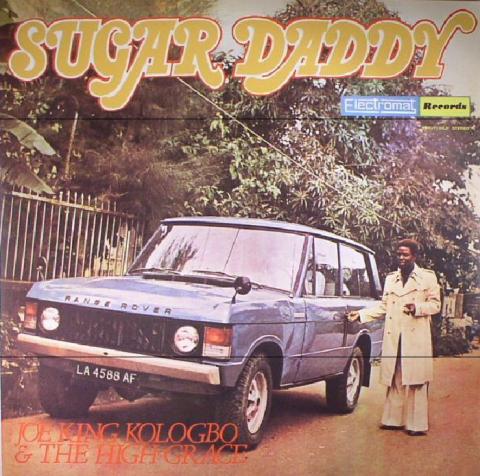
Sugar Daddy

photo: 
a propos: 
Strut present the first in a series of essential original LP reissues exploring rare and under-rated African, Latin and Caribbean music classics, curated by Duncan Brooker. In January 2017, the series kicks off with ‘Sugar Daddy’, an experimental highlife / disco outing by Nigerian highlife guitarist Joe King Kologbo. Building his career as a composer and player with Eastern Star Dance Band at their residency at the Atlantic Hotel in Aba, Eastern Nigeria, Joe King Kologbo was forced to flee to Ghana when the Biafran War broke out in 1967. As his son Oghene recalls, “when war came, everything just scatter. He lost his house, everything.”Joe King played with a variety of bands in Ghana including Real Ruby’s, a jazz highlife big band, before returning to Lagos in 1971. By the time he recorded the ‘Sugar Daddy’ LP for the tiny Electromat label in 1980, he was one of the older musicians on the circuit. Oghene Kologbo remembers, “My Mum used to say, ‘I hope you don’t go and play guitar everywhere and play around, don’t go and be Sugar Daddy!’ All my father’s friends nicknamed him ‘Sugar Daddy’ so he did the song in a fun way. He was a nice man. He never did ‘playboy’.” “Since he was based in the East during his early days, he was not as well known nationally as some of the other highlife players of the time,” continues Oghene,”so it’s nice that this album is coming out again. It brings back good memories.” Joe King Kologbo’s ‘Sugar Daddy’ is released in its original artwork and features new interviews with Oghene Kologbo and Sonny Akpan of The Funkees. The album comes remastered by The Carvery, with vinyl pressed at Pallas.- First ever reissue of sought-after Nigerian highlife / disco original LP- Officially licensed from Joe King Kologbo estate- Includes the killer 15-minute DJ track ‘Sugar Daddy’- New package features all original artwork and new interviews with Oghene Kologbo and Sonny Akpan of The Funkees

pays:

Année:

format:

label:

référence du label: 
STRUT 150LP

genre:

état disque:

état pochette:

stock: 
0
morceaux: 
Listen/Ecoute :
Prix panier: 
15.00
Tracklist: 

Side 1
1. Sugar Daddy
Side 2
1. Come Back Lina
2. All Fingers Are Not Equal

Second_hand: 
Non
Forthcoming: 
Non
Origine: 
Re-Issue
Newsletter: 
Non
Partager: 

Coming Home: Original Ghanaian Highlife & Afrobeat Classics 1964-1981

auteur:

photo: 
a propos: 
Gatefold 180 gram vinyl 3xLP + 2xCDOriginal Ghanaian Highlife & Afrobeat Classics 1967-1981 ?Ghanaian highlife master and “The Golden Voice Of Africa”, Pat Thomas,returns with his first full career retrospective on Strut this Autumn, covering his late ‘60s big band highlife recordings through to the “burger highlife” movement of the early ‘80s. Growing up with music around him (“my uncle, King Onyina, was an important highlife musician”), Thomas was inspired to become a singer after hearing vocalist Joss Aikins: “He sang with Broadway Dance Band and Decca in Ghana chose him to sing with any group that came into their studios.” When a new incarnation of Broadway Dance Band was created in ‘67, led by Ebo Taylor, Thomas received his first big break. “Ebo started to write new songs. I added the lyrics and sang them and it worked well.” The partnership with Taylor would become one of the enduring forces in Ghanaian music during the ‘70s, creating a fresh, progressive new highlife sound. They played with the Blue Monks band before, in 1974, forming Sweet Beans with the backing of Ghana’s Cocoa Marketing Board: “The album, ‘False Lover’, was the first under my own name and my first for Gapophone,” Pat reflects. “Reggae was “on” at that time - Jimmy Cliff was the guy - so I tried reggae fusions and brought in some soul.” The album established Thomas across Ghana. Sweet Beans disbanded but the musicians stayed together as Marijata. “The guys initially used Jewel Ackah as their vocalist but they involved me and I re-vocalled the album. This became the ‘Pat Thomas Introduces Marijata’ LP. At that time, I would go to George Prah at Gapophone to ask for money and he would say, ‘if you want me to pay you, go and write a song!’ So, tracks like ‘Coming Home’ came about that way, written on the spot.” A second Marijata album followed before a damaging coup in Ghana in 1979. “Jerry Rawlings’ “house-cleaning” was designed to stop corruption but it seriously damaged our country’s music culture.” Thomas left for Berlin and stayed true to his highlife roots, becoming the first Ghanaian to record highlife there. “In Ghana, people ex-pats living in Germany called themselves ‘burgers’, so the scene became ‘burger highlife’.” Thomas travelled to Togo and London, before settling in Canada: “I ended up there for ten years playing for universities, Ghanaian societies and festivals.”Pat is now back with Kwashibu Area Band and touring worldwide: “Today, highlife has become the world’s music and I am proud to still bring it to so many people.” ‘Coming Home’ is released on 2CD, 3LP and digital and features exclusive photos and a full interview with Pat Thomas.First ever career retrospective of key Ghanaian highlife figureCovers ‘60s highlife to heavy ‘70s Afrobeat and later highlife disco periodfull official release, produced in conjunction with Pat Thomas. Many tracks released internationally for the first timeincludes two previously unreleased tracks: ‘No Money, No Love’ and ‘Sack The Devils’ recorded with Ebo Taylortouring around album globally with Kwashibu Area Band during 2016-7

pays:

Année:

format:

label:

référence du label: 
STRUT 147LP

genre:

état disque:

état pochette:

stock: 
0
morceaux: 
Listen/Ecoute :
Prix panier: 
36.00
Tracklist: 

Side 1
1. Ogyatanaa Show Band - (Super) Yaa Amponsah (with Pat Thomas)
2. Pat Thomas & The Black Berets - Obra A Yebo Yi
3. Pat Thomas & The Big '7' - Eye Colo
4. Pat Thomas - Awurade Mpaebo
5. Pat Thomas & The Sweet Beans - Merebre
Side 2
1. Pat Thomas & The Sweet Beans - Revolution
2. Pat Thomas - We Are Coming Home
3. Pat Thomas - Let's Think It Over
4. Pat Thomas & The Sweet Beans - Set Me Free
Side 3
1. Ebo Taylor - No Money, No Love (feat Pat Thomas - previously unreleased)
2. Ebo Taylor - Sack The Devils (feat Pat Thomas - previously unreleased)
3. Pat Thomas & Ebo Taylor - Ma Huno
Side 4
1. Pat Thomas - Mewo Akoma
2. Pat Thomas - Gyae Su
Side 5
1. Pat Thomas - Yamona
2. Pat Thomas & Marijata - I Need More
Side 6
1. Super Sounds - Who's Free
2. Pat Thomas - Mpaebo

Second_hand: 
Non
Forthcoming: 
Non
Origine: 
Original
Newsletter: 
Non
Partager: 

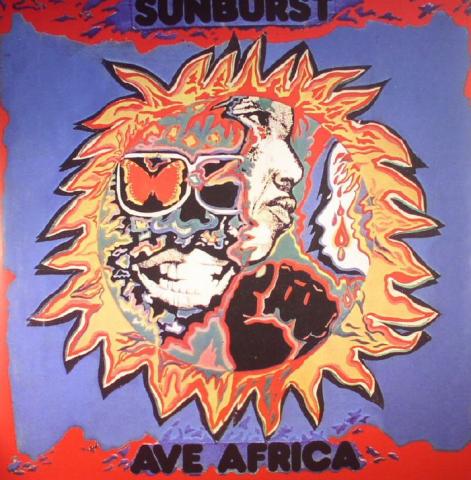
Ave Africa

auteur:

photo: 
a propos: 
Strut presents a definitive collection of recordings from one of Tanzania’s most revered bands of the early 1970s, Sunburst. Covering their output from 1973 to 1976, this first retrospective features their singles for the Moto Moto and TFC labels, their sole album, ‘Ave Africa’ and an unreleased radio session recorded in Tanzania in 1973By the time Zairean guitarist Hembi Flory Kongo had formed the band in Dar Es Salaam in 1970 playing “copyright” cover versions, soul and funk had long influenced young musicians in Dar and ‘boogies’, weekly soul events, were commonplace at the city’s clubs. Despite the Tanzanian government banning soul (both music and dancing) through their conservative Ujamaa policy in 1969, Sunburst grew as a band and developed their own musical direction which they later called Kitoto Sound, reflecting the diverse backgrounds of the band members. Lyrical themes included black pride and colonial oppression – the band even played a gig for visiting civil rights heroine Angela Davis.After June 1973, Sunburst gained a national audience through a live session for the state-owned Radio Tanzania, a crucial means for domestic bands to air their work. A month later, they won a band competition in Dar Es Salaam and their popularity in Tanzania grew further. They began recording singles in Kenya, standing apart from the predominantly rumba, jazz or taarab styles sung in local languages at the time.In 1974, Sunburst met Zambian musician Rikki Ililonga from Zamrock group Musi- O-Tunya and he invited them to Zambia. Meeting their later manager, car company employee Peter Bagshawe, they embarked on an ill-fated tour with Kenyan funk band Matata before working on a first full album in 1976 in Lusaka with new band members. The LP came out at the height of the Zamrock scene led by bands like Witch and Ngozi Family but Sunburst offered a more intricate sound as musicians born in six different countries tapped into a multitude of styles, languages and stories. “Our songs support freedom struggles and encourage peasants and workers to work harder,” singer James Mpungo recounted. “Our songs also criticize our people for allowing themselves to be too westernized.” After a handful of further singles for Tanzanian state label TFC, including the popular ‘Banchikicha’, the band split, frustrated by living on “bare minimum earnings” from their music. The result of three years’ painstaking work after tracking down bandleader Hembi Kongo, bassist Bashir and the band’s ex-manager Peter Bagshawe, this overdue retrospective is curated by Thomas Gesthuizen (DJ Gioumanne) of Africanhiphop. com and Dave Tinning of Santuri East Africa. The package features a full band biography alongside rare photos, press cuttings and memorabilia.First ever release of band’s recordings outside of AfricaDefinitive collection: the band’s complete recorded output + exclusive unreleased radio sessionOne of the most important of Tanzania’s 1970s bands who developed their own Kitoto sound fusing soul and jazz with many traditional influences.Album and singles fully remastered for this reissue from original tapes where possible

pays:

Année:

format:

label:

référence du label: 
STRUT 128LP

genre:

état disque:

état pochette:

stock: 
0
morceaux: 
Listen/Ecoute :
Prix panier: 
35.00
Tracklist: 

Side 1
1. Kitoto Sound (Ave Africa LP)
2. Ukuti Ukuti
3. Ba Motoka Na Castle
4. Kamungulwe
5. Your Day Will Come
6. Ani Uni
Side 2
1. Wakulu Wa Kuno
2. We Need Each Other
3. Alhamdullilah
4. Ntambwa
5. How Can I Get To You
6. Ave Africa
Side 3
1. Simba Anguruma (TFC & Moto Moto singles)
2. Kipato Sina
3. Vijana
4. Enzi Za Utumwani
5. Black Is Beautiful
Side 4
1. Instrumental (Unreleased Radio Sessions)
2. Simba Anguruma
3. Black Is Beautiful
4. Wakulu Wa Kuno
5. Kosa Langu Mpenzi

Second_hand: 
Non
Forthcoming: 
Non
Origine: 
Re-Issue
Newsletter: 
Non
Partager: 

Nigeria 70: Sweet Times Afro Funk Highlife & Juju From 1970s Lagos

photo: 
a propos: 
Essential vinyl repress of the STRUT classic Nigeria 70: Sweet Times.“A landmark collection that remains a compelling journey into a time and place: Nigeria in the 1970s, when American soul and funk (along with Anglo-American blues-rock and psychedelia) infected the roots of traditional and popular West African musical styles like highlife, juju, fuji, and apala.” Dusted magazine Strut announce a brand new repress of the third instalment in the pioneering ‘Nigeria 70’ compilation series, compiled by series curator Duncan Brooker. Excavating another choice batch of rare grooves from Nigeria’s label archives, the new edition places the spotlight on some of the deeper fusions happening across the country during the 1970s as traditional guitar highlife blended with jazz and funk, hypnotic juju grooves became more progressive and young Nigerian bands came through with their own heavy West African take on U.S. soul, funk, disco and rock. As within much of the ‘Nigeria 70’ album series, all of the featured selections are previously unissued outside of Nigeria. Tracks range from the dynamite big band workout of Alex Ringo’s Moneyman & The Super 5 International to the Congolese guitar-drenched ‘Henrietta’ by the late Ali Chukwumah, former member of Stephen Osita Osadebe’s Sound Makers. Darker psych grooves from Don Isaac Ezekiel sit alongside a languorous highlife jam by the legendary Victor Olaiya and juju legend Ebenezer Obey cooks up a lilting, deeply beautiful mid-tempo groove from 1970 in a musical plea for peace. ‘Nigeria 70: Sweet Times’ is another essential celebration of the glut of incredible music that surfaced in post-independence Nigeria. This is the third edition in the acclaimed ‘Nigeria 70’ series. The first volume, released in 2001, was the first compilation of its kind to explore in depth the myriad of funk and soul fusions emerging from Nigeria during the 1970s. Strut followed this with a second edition, ‘Nigeria 70: Lagos Jump’, in 2008. ‘Nigeria 70” Sweet Times’ is compiled by Duncan Brooker and features extensive sleeve notes by writer and broadcaster Max Reinhardt.Limited new re-press of classic highlife, juju and afrobeat collection, 500 copies onlyDefinitive format: 2LP set including CD version as bonusOne of the most influential of all recent African music series which helped spawn a new market for African rare groovesAlbum fully remastered for this reissue

pays:

Année:

format:

label:

référence du label: 
STRUT 079LP

genre:

état disque:

état pochette:

stock: 
0
morceaux: 
Listen/Ecoute :
Prix panier: 
35.00
Tracklist: 

Side 1
1. Moneyman & The Super 5 International - Life
2. Ali Chukwumah & His Peace Makers International - Henrietta
3. Bola Johnson & His Easy Life Top Beats - E Ma S'eka
Side 2
1. Dr Victor Olaiya's International All-Stars - Kinrinjingbin
2. Zeal Onyia & His Music - Idegbani
3. Sina Bakare - Inu Mimo
Side 3
1. Eji Oyewole - Unity Of Africa
2. Tunde Mabadu - Viva Disco (instrumental)
3. The Don Isaac Ezekiel Combination - Ire
Side 4
1. Etubom Rex Williams & His Nigerian Artistes - Ama Mbre Ewa
2. Soki Ohale's Uzzi - Bisi's Beat
3. Chief Commander Ebenezer Obey & His International Brothers - Ajoyio

Second_hand: 
Non
Forthcoming: 
Non
Origine: 
Re-Issue
Newsletter: 
Non
Partager: 

Nigeria 70: The Definitive Story Of 1970's Funky Lagos

photo: 
a propos: 
Limited new 15th anniversary repress of classic Afro-funk and afrobeat collection 500 copies only on a 3LP set including 2CD version and 1 CD audio documentary.Strut repress one of the all-time classic compilations of Afro-funk and Afrobeat for 2016, the first volume of the mighty Nigeria 70 series. Originally released in 2001, the album followed the death of Fela Kuti and a renewed interest in original Afrobeat among younger club-goers. Put together over a three-week trip to Lagos, it documented for the first time the explosive era when domestic bands fused traditional highlife and juju with funk, soul, rock and disco. Alongside two cuts by Fela Kuti, Nigeria 70 shone the spotlight on the incredible musicianship of artists like Segun Bucknor, Joni Haastrup and his Monomono band, Orlando Julius, saxophonist Peter King, “Guitar Boy” Victor Uwaifo, Lijadu Sisters and quirky keyboard wizard William Onyeabor among many others. Spread over 3LPs, the original edition also included a one-hour audio documentary featuring exclusive interviews with many original musicians and industry figures from the ‘70s scene, narrated by Wunmi. As well as being a valuable document of an under-rated era, Nigeria 70 was one of the first crossover albums to dig deep into the African music archives and effectively market the music to a new online audience hungry for rare grooves and unique dancefloor sounds. Since Nigeria 70, this market has widened hugely with labels like Soundway, Analog Africa and Hot Casa all working tirelessly to document rare African beats. This new pressing of the Nigeria 70 3LP set is limited to 500 copies and features the full CD version and CD audio documentary as a bonus within the package. Full artwork is also featured including John Armstrong’s extensive sleeve note history alongside rare photos.Limited new 15th Anniversary repress of classic Afro-funk and Afrobeat collection, 500 copies onlyDefinitive format: 3LP set including 2CD version and 1CD audio documentary as bonusone of the most influential of all recent African music collections which helped spawn a new market for African rare groovesalbum fully remastered for this reissue

pays:

Année:

format:

label:

référence du label: 
STRUT 44LP

genre:

état disque:

état pochette:

stock: 
0
morceaux: 
Listen/Ecoute :
Prix panier: 
45.00
Tracklist: 

Side 1
1. Orlando Julius & The Afro Sounders - Alo Mi Alo (part 1 & 2)
2. Segun Bucknor & His Revolution - La La La
3. Lijadu Sisters - Orere Elejigbo
Side 2
1. Peter King - Shango
2. Sahara All Stars Band Jos - Enjoy Yourself
Side 3
1. Fela Ransome Kuti & The Africa 70 - Jeun Ko Ku (Chop 'n' Quench)
2. Tunji Oyelana & The Benders - Ifa
3. Ofo The Black Company - Allah Wakbarr
Side 4
1. The Funkees - Dancing Time
2. Monomono - Tire Loma Da Nigbehin
3. Bala Miller & The Great Music Pirameeds Of Afrika - Ikon Allah
Side 5
1. Sir Victor Uwaifo & His Melody Maestroes - Akayan Ekassa
2. Shina Williams & His African Percussionists - Aboju Logun
Side 6
1. Gasper Lawal - Kita Kita
2. Sunny Ade & His African Beats - Ja Fun Mi (instrumental)

Second_hand: 
Non
Forthcoming: 
Non
Origine: 
Re-Issue
Newsletter: 
Non
Partager: 

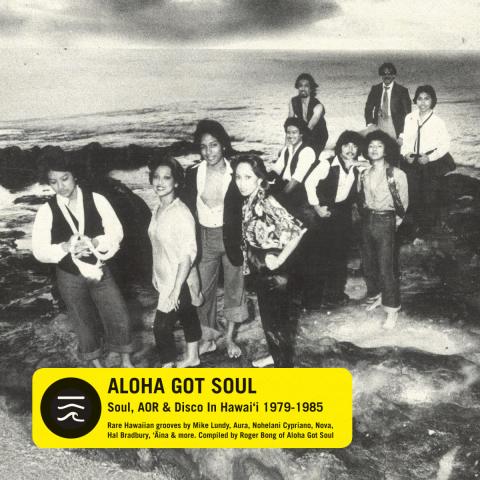
Aloha Got Soul: Soul AOR & Disco In Hawai'i 1979-1985

photo: 
a propos: 
STRUT continues to break new ground with its next compilation, ‘Aloha Got Soul’. It encompasses a vibrant era of contemporary music made in Hawai’i during the 1970s to the mid-1980s as jazz, rock, funk, disco and R&B co-existed alongside Hawaiian folk music.New on Strut for February 2016, ‘Aloha Got Soul’ encompasses a vibrant era of contemporary music made in Hawai’i during the 1970s to the mid-1980s as jazz, rock, funk, disco and R&B co-existed alongside Hawaiian folk music.Hawai’i’s identity had undergone huge change: statehood into America in ‘59 and the Vietnam War were the backdrop as Hawai’i’s youth found inspiration in a new wave of international music led initially by The Beatles and Stones and, later, by US R&B bands like Earth Wind & Fire and Tower Of Power. Garage bands flourished during the ‘60s and, by the ‘70s, live music was at its peak. W aikiki was filled with clubs: The Point After, Infinity’s, Hawaiian Hut, Spats and more.For the ‘70s generation of artists, some came through the talent contest ‘Home Grown’ and its accompanying compilation LP. Singer Nohelani Cypriano won it with her instant radio hit, ‘Lihue’. Other winning songs, like Marvin Franklin’s soul surfer jam ‘Kona Winds’, burned more slowly but have endured with DJs today. Many records also packed a powerful message. In 1978, Hawaiian was made the official state language and a huge movement arose to revive hula and traditional music. Steve & Teresa’s ‘Kaho’olawe Song’ longs for an island long gone: the US military had used Kaho’olawe as a bombing range since Pearl Harbor. Nohelani Cypriano sang about the once sleepy town of Kailua, now a popular tourist destination: “Kailua needs no high-rise with her blue skies, not for our eyes. Can you realize?” Leading Hawaiian artists like Aura, Mike Lundy and keyboardist Kirk Thompson’s Lemuria took time in high quality facilities like Broad Recording Studio to make albums. Others grabbed studio time when they could: Tender Leaf’s Murray Compoc worked for the city bus by day and recorded an album during night sessions. Other albums were spontaneous. In 1983, Steve Maii & Teresa Bright recorded an acoustic set in just 3 hours after being invited to a studio following a gig. For the artists of the ‘70s, the climate for music changed rapidly during the mid-‘80s as DJ culture grew and live venues shut down. Hawai’i’s R&B era shone brightly and relatively briefly but, despite brilliant musicians, regular gigs and LP releases, most of the music barely made it to the mainland. Thanks largely to Aloha Got Soul’s Roger Bong, a new interest in this fertile era of Hawaiian music has grown, culminating in this new compilation of overlooked gems. ‘Aloha Got Soul’ is compiled and annotated by Bong and features rare photos and original artwork.

pays:

Année:

format:

label:

référence du label: 
STRUT 133LP

genre:

état disque:

état pochette:

stock: 
0
morceaux: 
Listen/Ecoute :
Prix panier: 
33.00
Tracklist: 

Side 1
1. Tender Leaf - Countryside Beauty
2. Aura - Yesterday's Love
3. Aina - Your Light
4. Lemuria - Get That Happy Feeling
Side 2
1. Roy & Roe - Just Don't Come Back
2. Hawaii - Lady Of My Heart
3. Hal Bradbury - Call Me
4. Mike Lundy - Love One Another
Side 3
1. Nova - I Feel Like Getting Down
2. Nohelani Cypriano - O'Kailua
3. Brother Noland - Kawaihae
4. Marvin Franklin - Kona Winds (with Kimo & The Guys)
Side 4
1. Greenwood - Sparkle
2. Chucky Boy Chock & Mike Kaawa - Papa'A Tita (with Brown Co)
3. Steve & Teresa - Kaho'Olawe Song
4. Rockwell Fukino - Coast To Coast

Second_hand: 
Non
Forthcoming: 
Non
Origine: 
Original
Newsletter: 
Non
Partager: 

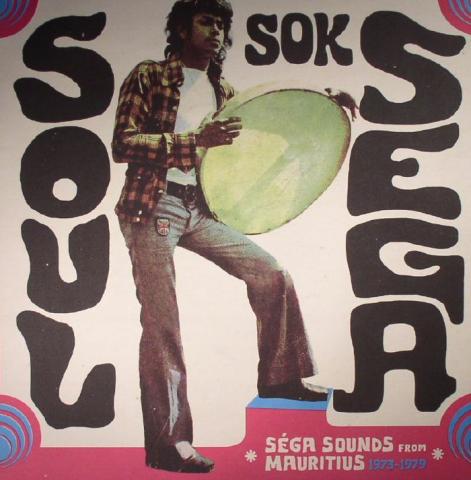
Soul Sok Sega

photo: 
a propos: 
Following successful excursions into rare tropical and island sounds with the ‘Sofrito’ series, ‘Haiti Direct’ and ‘Calypsoul 70’ albums, Strut Records turns its focus to the Indian Ocean island of Mauritius for a new compilation, ‘Soul Sok Séga’. Séga first developed as an insular music and dance form after slaves arrived on Mauritius (then île de France) from East Africa and Madagascar during the 17th to 19th centuries, using Créole language and rhythms played on the large ravanne circular drum, the triangle and the maravanne, a box filled with dried seeds. Séga was essentially frowned upon and marginalised by the Mauritian bourgeois until the 1950s when singer Ti Frère began to play a more Westernised fusion of séga. Through Ti Frère and his contemporaries like Serge Lebrasse, the music began to be popularised during the ‘60s and became fully accepted after the ‘Night Of The Morne’ event in 1964 as the Créole community asserted ist cultural identity. ‘Soul Sok Séga’ documents the heyday of séga in Mauritius during the 1970s as a new generation of contemporary artists broke through. Jazz, soul, funk and rock elements all began to be effortlessly infused into traditional séga folk roots to create some inspired fusions. A talented new wave of artists including Jean- Claude, Claudio, Marie Josée and Roger Clency became domestic stars and began to take the music to international stages for the first time. Meanwhile, cult artists like the James Brown-influenced Ti L’Afrique, Coulouce and Christophe all enjoyed a more brief but important moment in the spotlight. Since this era, séga has now been adopted as the national music of Mauritius and the original ‘70s music is a revelation for any fans of tropical music and world sounds. Strut’s album features extensive sleeve notes from long time Mauritian cultural champion, Percy Yip Tong, including new artist interviews, photos and original vinyl artwork. The compilation is by DJ duo La Basse Tropicale (Natty Hô and Konsöle), based in the neighbouring island of La Reunion. All formats (1CD / 2LP / digital) are unmixed, with all tracks never reissued internationally since they were originally available. An accompanying European tour featuring Ti L’Afrique, Jean Claude and Claudio with an all-star band of original musicians is planned for Summer 2016.KEY POINTS- first official international compilation documenting séga music from Mauritius- key artists involved in album and promotion including Ti L’Afrique, Jean Claude and Claudio- features exclusive artwork by Lewis Heriz and sleeve notes by respected Mauritian cultural journalist and promoter, Percy Yip Tong- strong addition to Strut’s tropical reissue range following the Sofrito series, Haiti Direct and Calypsoul 70- supported by DJ dates by album compilers La Basse Tropicale with plans for séga legends live tour during 2017

pays:

Année:

format:

label:

référence du label: 
STRUT 139LP

genre:

état disque:

état pochette:

stock: 
0
morceaux: 
Listen/Ecoute :
Prix panier: 
34.00
Tracklist: 

Side 1
1. Ti L'Afrique - Soul Sock Sega
2. Jean Claude - Mademoiselle
3. Georgie Joe - Eliza
4. John Kenneth Nelson - Manuel Bitor
5. Marie Josee/Roger Clency - La Vie En Badinage
Side 2
1. Claudio - Bonom Chinois
2. Les Stardust - Sega Lenoir
3. Coulouce - L'Amour Artificiel
4. Claudio - Bhai Aboo
5. Christophe - Mo Parrain
Side 3
1. Cyril Labonne - Pop Soul Sega
2. Harold Berty - Mone Lasser Dire Toi
3. Michel Legris - Elida
4. Catherine Velienne - Mo Mari Fini Alle
5. Jean Claude - Sega Souval
Side 4
1. Ramone - Nouveau Venu Dans L'Endroit
2. John Kenneth Nelson - Z'Enfant MisArre
3. Georges Jean Louis - Afro Mauricien
4. Yoyo - Coco Mamzelle
5. Christian Tosse - Madame Zean

Second_hand: 
Non
Forthcoming: 
Non
Origine: 
Original
Newsletter: 
Non
Partager: 

Ene Nyame A Mensuro (Henrik Schwarz Mixes)

photo: 
a propos: 
A rare original from 1978, Ebo Taylor and Pat Thomas’ ‘Ene Nyame ‘A’ Mensuro’ is a yearning hidden classic of Ghanaian highlife / Afrobeat. Created originally as a DJ tool for his sets, Henrik Schwarz’ remix transforms the track into a late night dancefloor gem, adding a liquid bassline, pulsing 4/4 beats and dub sections to devastating effect. One of Schwarz’ finest remixes of recent years.

pays:

Année:

format:

label:

référence du label: 
STRUT 126S

genre:

état disque:

état pochette:

stock: 
0
morceaux: 
Listen/Ecoute :
Prix panier: 
11.00
Tracklist: 

Side 1
1. Ene Nyame ‘A’ Mensuro (Henrik Schwarz Blend)
Side 2
1. Ene Nyame ‘A’ Mensuro (Henrik Schwarz Dub)

Second_hand: 
Non
Forthcoming: 
Non
Origine: 
Original
Newsletter: 
Non
Partager: 

Pages

S'abonner à RSS - Strut